Design Guide
Textured Walls: Wallcovering vs Paint Techniques vs Plaster
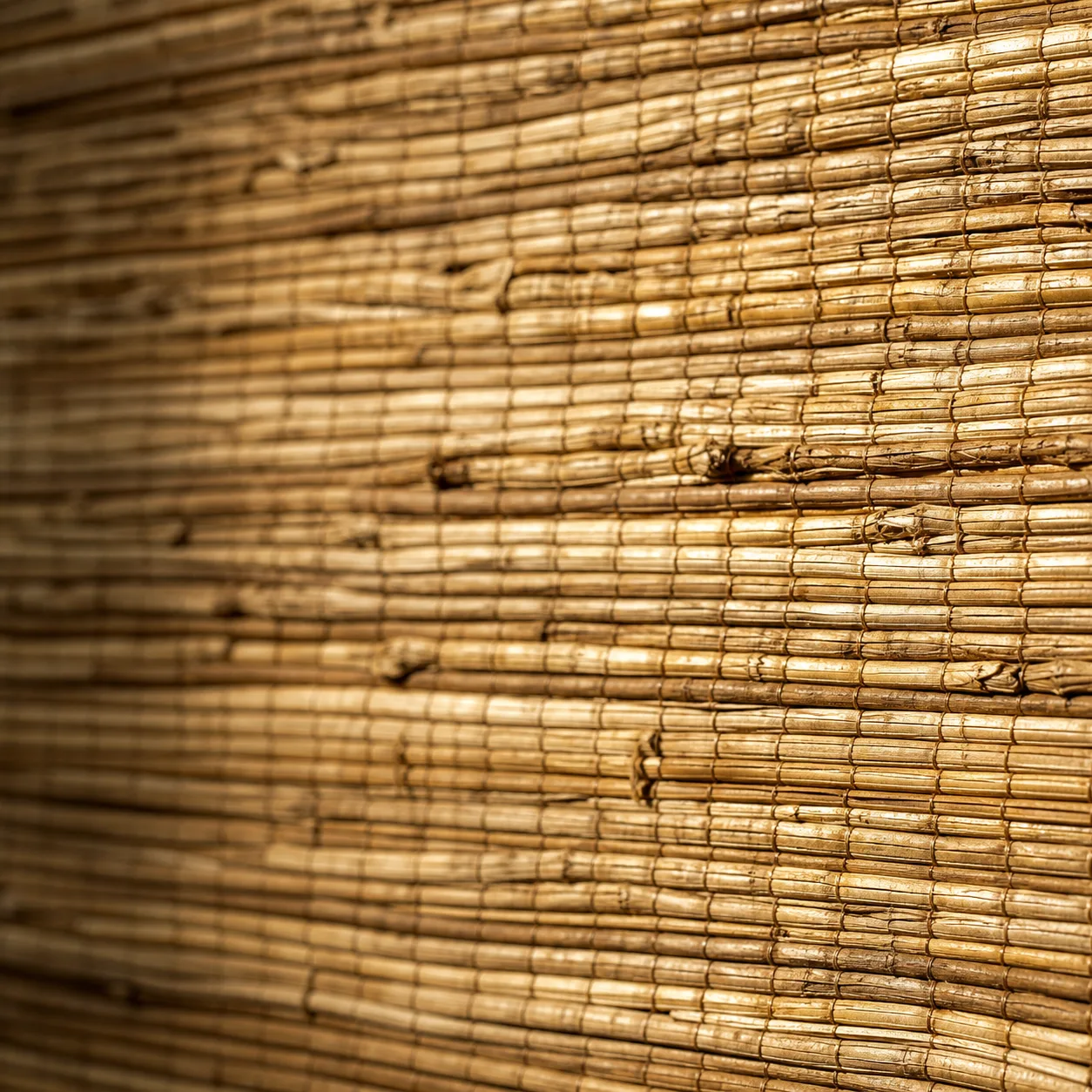
Textured walls are the antidote to flat, lifeless surfaces. But which texture method is right? Natural wallcovering, faux paint techniques or Venetian plaster — each has different cost, durability and aesthetic characteristics.
Key Takeaways
- See detailed sections below for comprehensive guidance.
How Do the Three Options Compare?
| Factor | Natural Wallcovering | Faux Paint Technique | Venetian Plaster |
|---|---|---|---|
| Tactile depth | High — real 3D texture | Low — visual only | Medium — smooth but varied |
| Cost per sq ft | $3-8 (material + install) | $2-5 (labor-intensive) | $8-15 (specialist artisan) |
| Durability | 10-15 years | 3-5 years before refresh | 10-20 years |
| Acoustic benefit | Yes — dampens sound | No | No |
| Customization | Any color + material | Limited by technique | Color only |
| Sustainability | Natural, renewable | Depends on products | Good (lime-based) |
| Repair | Replace panels | Touch up easily | Blend and repolish |
When Should You Choose Natural Wallcovering?
- You want real texture: Not just visual — tactile depth you can feel
- You value longevity: 10-15 year lifespan vs. 3-5 for paint techniques
- Acoustics matter: Offices, restaurants, media rooms, bedrooms
- Sustainability is important: Natural, renewable, low-VOC materials
- You want variety: Grasscloth, sisal, cork, paper weave, mica — each creates a different effect
When Should You Choose Alternatives?
- Faux paint: Budget-constrained projects, rental properties, rooms needing easy touch-up (kids rooms, kitchens)
- Venetian plaster: Ultra-luxury projects where budget allows, when you want smooth-but-varied texture without weave pattern, moisture-prone areas where natural fiber would not survive
How Do You Combine Texture Methods?
- Feature wall in wallcovering + painted adjacent walls: The most common approach — see feature wall guide
- Wallcovering above wainscoting: Texture + structure — see wainscoting guide
- Plaster + wallcovering: Venetian plaster ceiling with grasscloth walls — luxury combination
- Different textures by room: Grasscloth in living areas, cork in media room, paper weave in bedrooms
Frequently Asked Questions
Which textured wall option is most durable?
Natural wallcovering wins for longevity — grasscloth lasts 10-15 years with minimal maintenance. Venetian plaster is comparable but costs 2-3x more. Faux paint techniques need refreshing every 3-5 years.
Can I achieve a grasscloth look with paint?
Faux grasscloth paint techniques exist but they lack the tactile depth, organic variation and acoustic properties of real material. The visual result is noticeably different to anyone who has seen real grasscloth.
Which is most eco-friendly?
Natural wallcovering — made from renewable plant fibers, low VOC, biodegradable. Venetian plaster (lime-based) is also eco-friendly. Faux paint techniques depend on the products used.