Maintenance Guide
Bugs & Mold Prevention for Natural Wallcovering
The honest guide to the two concerns every buyer has about natural wallcovering — insects and mold. What the real risks are, how to prevent problems and what to do if they occur.
Key Takeaways
- See detailed technical sections below.
What Are the Real Risks?
| Concern | Actual Risk Level | Conditions Required |
|---|---|---|
| Mold/mildew | Moderate — if conditions allow | Sustained humidity >70% RH + poor ventilation + organic material |
| Silverfish | Low | Very damp, dark, undisturbed areas |
| Bookworms | Very low | Extremely rare in modern homes |
| Moths | Minimal for plant-based fiber | Moths prefer animal fiber (wool, silk) — grasscloth is plant |
| Termites | Negligible | Paper backing could theoretically attract; extremely rare |
Context: In 15+ years of supplying natural wallcovering, pest issues represent less than 1% of customer inquiries. Environment control solves nearly every case.
How Do You Prevent Mold?
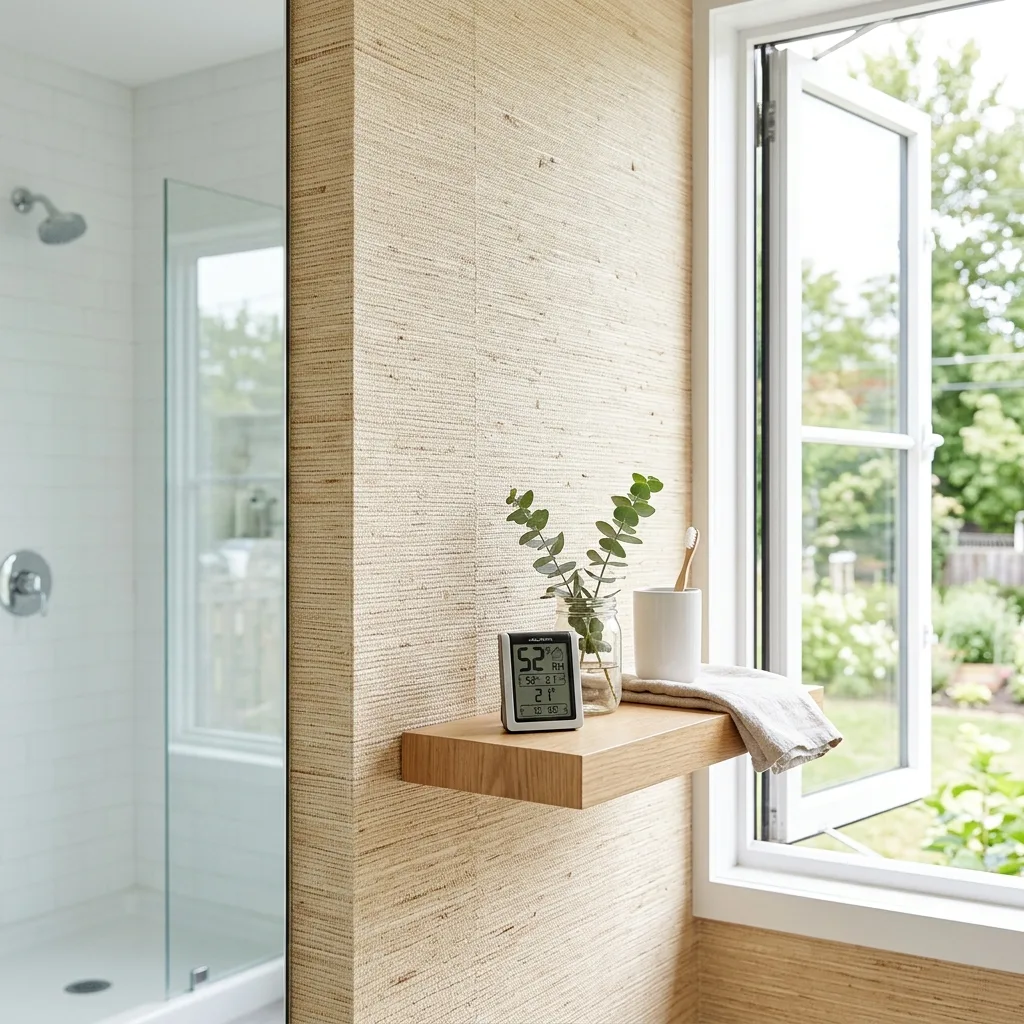
- Control humidity: Keep indoor RH below 60% — see humidity guide
- Ensure air circulation: Do not install behind large furniture that blocks airflow
- Use moisture-barrier primer: Prime substrate before installation
- Fix water issues first: Address any roof leaks, plumbing issues or condensation before installing
- Avoid problem rooms: No shower bathrooms, no unventilated basements
- Maintain HVAC: Year-round climate control prevents seasonal humidity spikes
How Do You Prevent Insects?
- Maintain normal living conditions: Light, air movement and normal room use deter insects naturally
- Keep rooms clean: Regular vacuuming and dusting removes potential food sources
- Fix humidity: Insects are attracted to damp environments — control moisture and you control insects
- Do not use chemical sprays on wallcovering: They can stain or damage natural fiber
- Modern manufacturing treatment: Reputable manufacturers treat natural fiber during production to resist pests
What If Problems Occur?
- Small mold spots: Wipe with a dry cloth. If persistent, lightly damp cloth with diluted white vinegar. Fix the humidity source
- Large mold areas: Remove affected panels, treat wall substrate with anti-microbial solution, resolve moisture source, reinstall with new material
- Insect damage: Identify the pest, address the environmental cause (usually humidity), replace damaged panels if necessary
- When to call a professional: If mold covers more than 10 sq ft, or if you see structural moisture infiltration — these require remediation beyond wallcovering replacement
Frequently Asked Questions
Do bugs eat grasscloth?
Rarely. Modern grasscloth is treated during manufacturing to resist insects. The risk is primarily from silverfish or bookworms in very damp, dark, undisturbed environments — not normal living conditions.
How do I prevent mold on grasscloth?
Maintain indoor humidity below 60% RH, ensure good air circulation, use moisture-barrier primer during installation, and address any water infiltration promptly. Mold requires sustained moisture — eliminate the moisture and you eliminate the risk.
Should I treat grasscloth with insecticide?
No — chemical treatment is unnecessary and can damage or stain natural fiber. Prevention through environment control (humidity, light, air circulation) is the correct approach.
Related Guides
Humidity Risks
Moisture management.
Lifespan
Durability factors.
Maintenance
Care instructions.
Installation
Professional tips.
Quality Control
5-stage QC.
Evaluate Samples
Quality checklist.
Source Treated Materials
Request materials with full technical documentation and test reports.
Request Specs